Modern men operate under a form of stress that our biology was never designed to handle at scale: chronic, persistent psychological stress. Work demands, financial pressures, relationship strains, and the relentless stimulation of digital environments create a physiological stress burden that the human stress response system — designed for short-term physical threats — struggles to process efficiently.
One of the most significant but underappreciated consequences of this chronic stress burden is its direct suppressive effect on testosterone production. Understanding this connection isn't just intellectually interesting — it's practically important for any man serious about optimizing his health.
The Cortisol-Testosterone Seesaw
Cortisol and testosterone are both steroid hormones synthesized from cholesterol. They share precursor molecules in the same biochemical pathway — and when the body is under stress, it prioritizes cortisol production at the expense of testosterone. This tradeoff reflects an ancient survival logic: in a genuine physical emergency, the stress response (fight or flight) matters more than reproductive health.
The problem is that the modern nervous system cannot distinguish between a genuine physical threat and a difficult meeting at work. Both register as stress, both trigger cortisol, and both can suppress testosterone — but the latter never resolves the way a physical threat would. Chronic psychological stress keeps cortisol chronically elevated, creating a sustained hormonal environment unfavorable to testosterone production.
How Acute vs. Chronic Stress Affect Hormones Differently
Acute stress — a sudden challenge, an intense workout, a stressful presentation — causes a brief cortisol spike that resolves within hours. The body recovers, testosterone rebounds, and no lasting damage occurs. In fact, the resolution of acute stress can briefly trigger a small testosterone surge. Acute stressors handled well are not the problem.
Chronic stress is categorically different. When cortisol remains persistently elevated — due to ongoing life pressures, poor sleep, overtraining without adequate recovery, or unmanaged anxiety — testosterone production is chronically suppressed. Research has documented meaningful reductions in morning testosterone levels in men with high chronic stress scores compared to low-stress controls, even when controlling for age and other lifestyle factors.
The Downstream Effects on Male Health
The consequences of the chronic stress-low testosterone combination extend well beyond hormone numbers:
- Sleep disruption: Elevated cortisol, especially in the evening, impairs the ability to fall asleep and achieve deep restorative sleep — which in turn further suppresses testosterone production, creating a vicious cycle.
- Reduced muscle and increased fat: Lower testosterone combined with elevated cortisol creates a catabolic hormonal environment that breaks down muscle tissue and promotes fat storage — particularly visceral abdominal fat.
- Mood and motivation: Chronically high cortisol is associated with irritability, anxiety, diminished drive, and reduced capacity for pleasure — compounding the psychological experience of stress itself.
- Immune suppression: Chronic cortisol impairs immune function, increasing susceptibility to illness and extending recovery times from physical exertion.
- Libido reduction: The combined effect of low testosterone and high cortisol typically manifests as reduced interest in sexual activity — a pattern many men attribute to aging when stress is actually the more proximal cause.
Breaking the Cycle: 6 Evidence-Based Stress Management Strategies
1. Prioritize Sleep Above All Else
Sleep is the single most powerful intervention for cortisol regulation. Deep sleep stages actively suppress cortisol while simultaneously driving testosterone production. Investing in sleep hygiene — consistent sleep/wake times, a dark and cool bedroom, no screens for 60 minutes before bed — addresses the cortisol-testosterone problem at its root.
2. Use Physical Exercise as a Cortisol Valve
Exercise — particularly resistance training and low-to-moderate intensity aerobic work — is one of the most effective ways to discharge accumulated psychological stress through a physiologically appropriate channel. It metabolizes the cortisol response and creates a positive hormonal rebound in its wake. The key is avoiding chronic overtraining, which creates its own cortisol burden.
3. Practice Diaphragmatic Breathing
Slow, deep diaphragmatic breathing (extending exhales to twice the length of inhales) activates the parasympathetic nervous system — the "rest and digest" counterpart to the stress response. Even five minutes of deliberate slow breathing has been shown to meaningfully reduce cortisol and subjective stress in research settings. This is a tool available in any moment.
4. Establish Recovery Time as Non-Negotiable
Many men operate in a cultural context that celebrates relentless productivity while devaluing rest. Rest is not laziness — it is the biological period during which adaptation, repair, and hormone production occur. Scheduled downtime, social connection, hobbies, and time in nature all contribute to a healthier cortisol rhythm.
5. Reduce Caffeine Dependence
Caffeine is a cortisol stimulant as well as an adenosine blocker. Men who consume multiple cups of coffee throughout the day — especially in the afternoon and evening — create a sustained cortisol elevation that can impair both sleep quality and testosterone rhythms. Limiting caffeine to the morning hours and reducing overall intake is a straightforward intervention with meaningful hormonal benefit.
6. Address the Source, Not Just the Symptoms
Breathing and sleep help, but if the primary stressor is a toxic work environment, unresolved relationship conflict, or financial insecurity — the hormonal benefits of stress management techniques are limited by the ongoing chronic stressor. Addressing root causes — seeking professional support, making structural life changes, building financial resilience — is ultimately the highest-leverage stress intervention.
The Role of Adaptogens
Adaptogens are a class of botanicals with a centuries-long history of use for helping the body cope with stress. Among the best-studied is Ashwagandha (Withania somnifera), which has demonstrated in multiple randomized controlled trials the ability to meaningfully reduce cortisol levels and support testosterone production in stressed men.
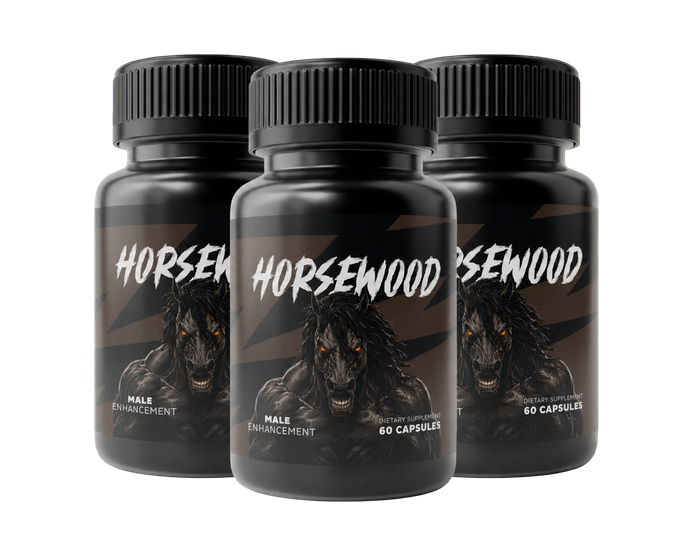
HorseWood includes a standardized Ashwagandha root extract as a central component of its formula — specifically to address the cortisol-testosterone relationship and support resilience under the demands of modern life. Combined with Panax Ginseng and the micronutrient support of Zinc and Vitamin D3, HorseWood offers a targeted approach to supporting male hormonal health in the context of contemporary stress.
Learn more about how HorseWood can support your wellness at horswoood.com, or explore related reading on daily habits that support male vitality and signs of low testosterone.