There's a reason the phrase "it's a marathon, not a sprint" applies to health. The men who maintain robust vitality, strong energy, and hormonal health well into their forties, fifties, and beyond didn't get there through dramatic interventions. They got there through a collection of daily habits practiced with remarkable consistency over years and decades.
This guide covers 10 of the most evidence-supported daily habits for male health. Some are obvious but underappreciated in their actual impact. Others may surprise you. None require extraordinary willpower — they require repetition.
1. Prioritize 7–9 Hours of Quality Sleep
If there is a single habit with the most direct impact on testosterone levels, energy regulation, and overall male health — it's sleep. This point cannot be overstated. The majority of daily testosterone production occurs during deep sleep cycles, specifically during the REM and slow-wave sleep phases. Men who consistently sleep fewer than six hours per night show testosterone levels that are measurably lower than those sleeping seven to nine hours.
Sleep also governs cortisol rhythms, insulin sensitivity, appetite regulation, and cognitive restoration. Investing in sleep hygiene — keeping consistent sleep and wake times, sleeping in a dark cool room, and limiting screen exposure in the hour before bed — is one of the highest-return health decisions you can make.
2. Lift Heavy Things Regularly
Resistance training, particularly compound movements that engage large muscle groups (squats, deadlifts, bench press, rows, overhead press), stimulates the release of anabolic hormones including testosterone and growth hormone. The evidence for resistance training's positive effect on testosterone is robust across multiple meta-analyses.
Frequency and consistency matter more than any single perfect session. Three to four resistance training sessions per week, performed with progressive overload — gradually increasing weight or volume over time — creates a sustained anabolic environment that supports long-term hormonal health.
3. Eat Adequate Protein at Every Meal
Protein isn't just about muscle — it's a foundational macronutrient for testosterone production, enzyme synthesis, immune function, and tissue repair. Research generally recommends a minimum of 0.7 to 1 gram of protein per pound of body weight for active men, with higher intakes appropriate for those engaged in intense training.
Spreading protein across three to four meals rather than concentrating it in one sitting maximizes muscle protein synthesis throughout the day. Focus on diverse sources: eggs, poultry, beef, fish, legumes, and dairy.
4. Spend Time in Natural Sunlight
Vitamin D is synthesized in the skin upon exposure to UVB radiation from sunlight. It functions more like a hormone than a vitamin in the body, and Vitamin D receptors are found in the cells of the testes — directly involved in testosterone biosynthesis. Multiple population studies have found associations between Vitamin D deficiency and lower testosterone levels in men.
Aim for 15 to 30 minutes of direct midday sun exposure on exposed skin several times per week. In northern latitudes or during winter months, supplementation with Vitamin D3 is often warranted.
5. Manage Stress Intentionally
Chronic psychological stress elevates cortisol — the body's primary stress hormone — and cortisol has a direct suppressive effect on testosterone production. The cortisol-testosterone relationship is essentially a physiological seesaw: when one goes up, the other tends to go down.
Effective stress management doesn't require elaborate rituals. Regular physical activity (already covered), adequate sleep (covered), social connection, time in nature, breathwork practices, and scheduled downtime all contribute to a healthier cortisol profile. The key is intentionality — treating stress management as a non-negotiable part of your wellness routine rather than a luxury.
6. Limit Alcohol Consumption
Alcohol suppresses testosterone production acutely and chronically. Even moderate regular alcohol intake has been shown in research to lower testosterone levels and impair testicular function. Heavy chronic alcohol use has a particularly significant hormonal impact.
This doesn't mean complete abstinence is necessary for everyone — but if optimizing male hormonal health is a priority, honest evaluation of weekly alcohol intake is warranted. Replacing evening alcohol habits with other forms of relaxation tends to improve both sleep quality and hormonal markers.
7. Stay Consistently Hydrated
Dehydration — even mild — impairs physical performance, cognitive function, and hormonal signaling. Water is involved in virtually every metabolic process in the body, including hormone transport and cellular communication. Men often underestimate their daily fluid needs, particularly on days involving exercise or heat exposure.
A simple guideline: drink enough water to keep your urine pale yellow throughout the day. For most men, this means consuming roughly eight to twelve cups (64–96 oz) of fluid daily, adjusting upward based on activity level and climate.
8. Incorporate Healthy Fats in Your Diet
Testosterone is a steroid hormone — which means it is synthesized from cholesterol. Diets that are very low in fat have been associated with lower testosterone levels in research literature. The solution is not to eat unhealthy amounts of saturated fat, but to ensure adequate intake of healthy dietary fats.
Excellent sources include extra virgin olive oil, avocados, whole eggs, fatty fish (salmon, sardines, mackerel), grass-fed butter, and nuts. These foods provide the building blocks of steroid hormone synthesis while also supporting cardiovascular health and nutrient absorption.
9. Maintain a Healthy Body Weight
Excess body fat — particularly visceral abdominal fat — has its own hormonal activity. Fat tissue contains the enzyme aromatase, which converts testosterone into estrogen. Higher levels of body fat therefore create a physiological environment that not only reduces available testosterone but actively converts it into estrogen, compounding the hormonal imbalance.
Gradual, sustainable fat loss through a modest caloric deficit combined with resistance training is the most evidence-backed approach. Extreme caloric restriction, by contrast, is counterproductive — it suppresses testosterone production as the body enters conservation mode.
10. Consider a Targeted Daily Wellness Supplement
Even with a well-structured diet and active lifestyle, many men fall short of optimal levels of specific micronutrients known to support testosterone production — particularly Zinc and Vitamin D. A targeted supplement formulated with evidence-informed botanicals and nutrients can help fill those gaps.
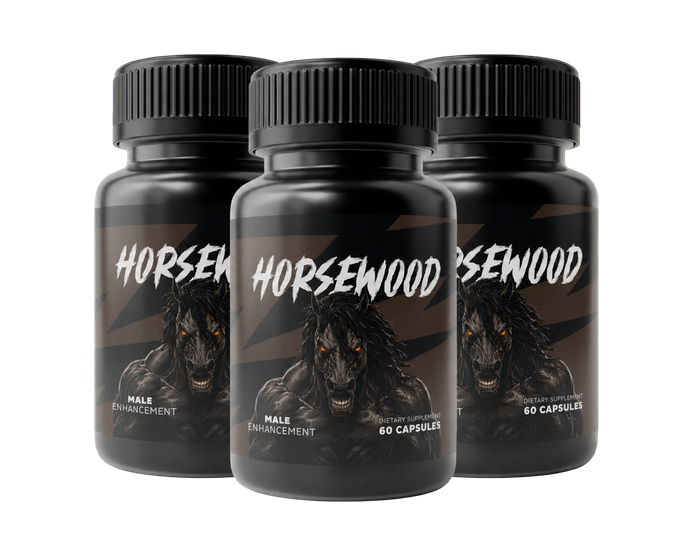
HorseWood is designed with this purpose in mind — combining Ashwagandha, Tongkat Ali, Maca Root, Zinc, Vitamin D3, Fenugreek, and other premium ingredients to support the nutritional foundation of healthy male hormone balance. It works best — and is designed to work best — as a complement to the lifestyle habits described in this article, not as a substitute for them.