Testosterone is often reduced to a single dimension — strength and muscle. But in reality, it touches nearly every aspect of a man's physical and mental health. It regulates energy metabolism, mood stability, bone density, sexual drive, cognitive sharpness, and much more. When testosterone levels fall below the optimal range, the effects don't always announce themselves loudly. They tend to creep in gradually, easily mistaken for stress, poor sleep, or simply "getting older."
The challenge is that many men dismiss the early warning signs without ever investigating whether hormone health might be at the root. This guide breaks down 10 of the most commonly reported signs associated with suboptimal testosterone levels — not to alarm, but to inform. If several of these resonate with you, it may be worth having a conversation with your healthcare provider.
1. Persistent Fatigue and Low Energy
One of the most universally reported experiences among men with low testosterone is an overwhelming, persistent sense of fatigue that sleep doesn't seem to fix. This isn't the ordinary tiredness after a hard day's work. It's a baseline exhaustion — a flat energy level that makes even routine tasks feel disproportionately draining.
Testosterone plays a key role in mitochondrial function and the regulation of energy metabolism at the cellular level. When levels decline, some men find they wake up tired, struggle to maintain focus throughout the day, and feel physically depleted without much exertion. While fatigue has many possible causes, it's one of the most consistent patterns reported in men with clinically low testosterone.
2. Reduced Sex Drive
Libido and testosterone are closely linked. While sexual desire is influenced by multiple factors — psychological state, relationship health, overall wellness — testosterone is one of its primary biological drivers. A noticeable decline in interest in sexual activity, particularly when it represents a shift from your personal baseline, can be an early indicator of changing hormone levels.
It's important to note that libido naturally fluctuates with life circumstances, stress levels, and age. A temporary dip is not necessarily a red flag. It's when reduced desire becomes a sustained pattern — weeks or months rather than a few days — that it may warrant attention.
3. Changes in Mood and Emotional Well-Being
Testosterone influences neurological function, and its effect on mood is well-documented in research literature. Men experiencing lower testosterone levels frequently report increased irritability, a shorter emotional fuse, a general sense of low motivation, or even feelings that resemble mild depression — a persistent flatness or lack of enthusiasm that doesn't have an obvious external cause.
This hormonal-mood connection is often overlooked when men seek support for mental health concerns. While testosterone alone is not a treatment for depression or anxiety, it is a factor worth examining when mood changes occur alongside other symptoms on this list.
4. Difficulty Building or Maintaining Muscle
Testosterone is a critical anabolic hormone — meaning it supports the synthesis of new muscle protein and helps maintain the muscle you already have. Men with low testosterone often notice that despite consistent training and adequate protein intake, their progress in the gym stalls, or they begin losing muscle definition even without changing their routine.
This doesn't mean every training plateau is hormone-related, but when reduced muscle response accompanies other symptoms, it becomes a more meaningful pattern worth examining.
5. Increased Body Fat — Particularly Around the Abdomen
Testosterone plays a role in regulating fat distribution in the body. When levels decline, men often notice an increase in body fat — especially in the abdominal region. This isn't simply cosmetic. Visceral fat (the fat stored around internal organs) has its own hormonal activity and can further suppress testosterone production in a self-reinforcing cycle.
If you've noticed your midsection expanding despite no significant change in diet or activity level, it may be worth considering whether hormonal factors are involved.
6. Brain Fog and Difficulty Concentrating
Cognitive sharpness — the ability to focus, remember details, and think quickly — relies partly on hormonal health. Men with lower testosterone levels sometimes describe a mental haziness, difficulty holding complex thoughts, or a noticeable slowdown in mental processing speed that wasn't present before.
While brain fog can stem from many sources (sleep deprivation, stress, nutritional deficiencies, and more), the hormonal dimension is often underappreciated. Testosterone receptors are present in regions of the brain associated with memory and executive function.
7. Sleep Disturbances
The relationship between testosterone and sleep is bidirectional. Low testosterone can disrupt sleep quality, and poor sleep — particularly insufficient deep, restorative sleep — can further suppress testosterone production. Men experiencing low testosterone sometimes report difficulty falling asleep, waking frequently during the night, or feeling unrefreshed even after a full night's rest.
Interestingly, the bulk of testosterone production occurs during deep sleep cycles. Prioritizing sleep quality is one of the most impactful lifestyle changes any man can make for hormonal health.
8. Decreased Bone Density
Bone density is a less discussed but important aspect of testosterone's role in male health. Testosterone supports bone mineral density — and declining levels over time are associated with increased risk of osteoporosis and fractures, particularly in older men. This sign is largely invisible without diagnostic testing, which is another reason why proactive monitoring of testosterone levels makes sense as men age.
9. Reduced Physical Stamina and Endurance
Beyond muscle strength, testosterone influences cardiovascular capacity, red blood cell production, and the body's overall ability to sustain physical effort. Men who notice a meaningful decline in their endurance — getting winded more easily, taking longer to recover after physical activity, or feeling physically worn down during exercise sessions that used to feel manageable — may be experiencing the downstream effects of lower testosterone.
10. Lower Motivation and Confidence
Testosterone is often referred to as the "motivation hormone" — and for good reason. Its role in drive, ambition, competitive spirit, and the willingness to take action on goals is well-supported in research. Men with lower levels sometimes describe a general diminishment of their sense of purpose, confidence in social situations, or desire to pursue challenges that previously excited them.
This subtle but profound change in psychological momentum is frequently reported alongside other physical symptoms, and is one of the reasons men find the overall quality of life impact of low testosterone to be so significant.
What You Can Do
Recognizing these signs is the first and most important step. If multiple symptoms resonate, the most direct course of action is to schedule a simple blood test with your healthcare provider to check your testosterone levels. This provides an objective baseline and informs what interventions — whether lifestyle-based or medical — might be appropriate.
From a lifestyle perspective, the following have the strongest evidence base for supporting healthy testosterone levels:
- Resistance training — Compound lifts like squats, deadlifts, and bench press are particularly effective.
- Prioritizing sleep — Aim for 7–9 hours of quality sleep per night.
- Stress management — Chronic cortisol suppresses testosterone. Mindfulness, breathwork, and adequate recovery matter.
- Dietary support — Zinc, Vitamin D, healthy fats, and protein all play roles in hormone production.
- Daily wellness supplements — Formulas containing evidence-informed ingredients like Ashwagandha, Tongkat Ali, and Fenugreek may offer additional support as part of a healthy lifestyle.
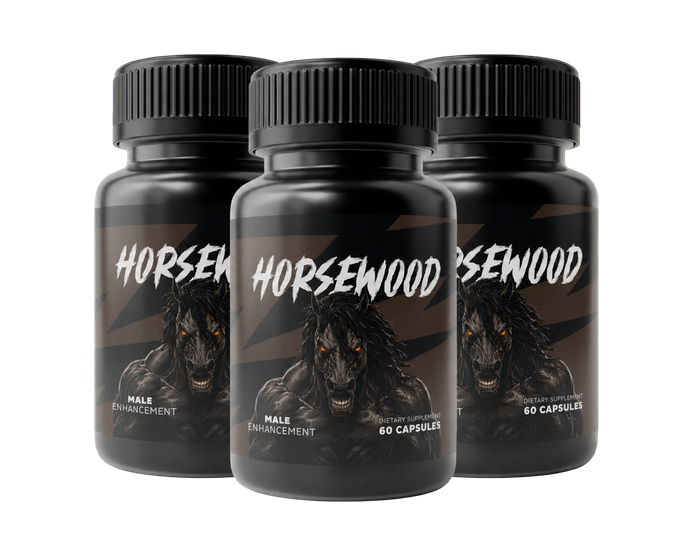
HorseWood is designed with exactly this goal in mind — a premium daily formula supporting the nutritional pillars of male hormonal wellness. Learn more at HorseWood.com.