The food you eat three times a day is the most direct and consistent influence on your hormonal environment — more than any supplement, training protocol, or wellness trend. Your body synthesizes testosterone from the raw materials you provide through your diet. When those materials are abundant and the right nutrients are present, production thrives. When they're scarce, the entire hormonal cascade is compromised.
This guide identifies 15 specific foods with meaningful research support for their role in healthy testosterone production and male hormonal wellness. None of these are exotic — most are staples of a well-constructed diet. The goal is to understand why they matter, so you can prioritize them with intention.
The 15 Best Foods for Healthy Testosterone Support
1. Eggs (Especially Whole Eggs with Yolks)
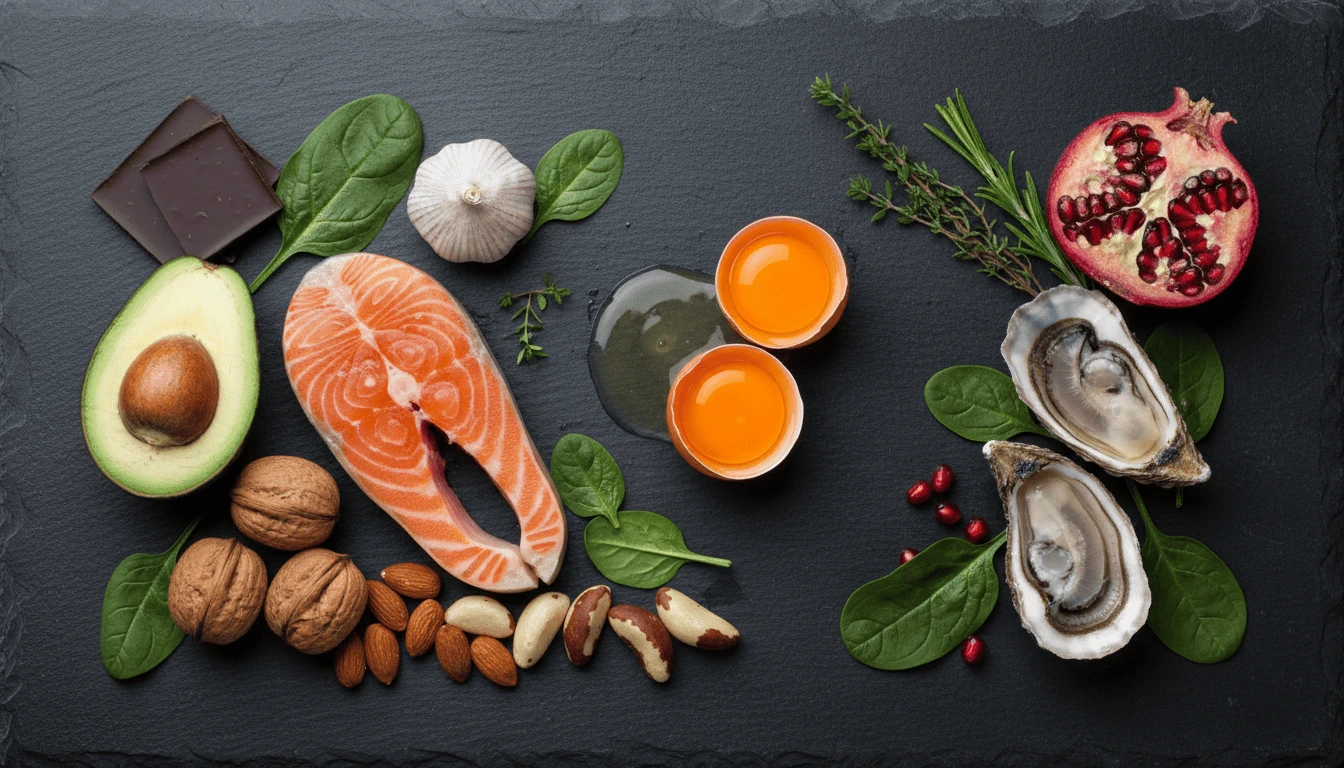
Egg yolks are among the richest dietary sources of cholesterol — the raw material from which all steroid hormones, including testosterone, are synthesized. They also provide Vitamin D, zinc, protein, and healthy fats. Research examining low-fat versus whole-egg diets in exercising men found that whole egg consumption was associated with significantly better hormonal profiles. Don't fear the yolk.
2. Fatty Fish (Salmon, Sardines, Mackerel, Tuna)
Fatty fish provide omega-3 fatty acids, Vitamin D, and zinc — a triple combination that supports testosterone production from multiple angles. Omega-3s reduce systemic inflammation, which is a known suppressor of hormone production. Sardines in particular are one of the most nutrient-dense and cost-effective sources of testosterone-supporting nutrients available.
3. Oysters
Oysters are the most concentrated dietary source of zinc — containing more per serving than virtually any other food. Given zinc's critical role in testosterone biosynthesis, oysters have long been associated with male vitality in traditional cultures. Even a small serving provides multiple times the daily recommended intake of zinc.
4. Beef (Especially Grass-Fed)
Grass-fed beef provides a combination of zinc, saturated fat, protein, and Vitamin B12 — all relevant to hormone health and energy metabolism. Research has found associations between adequate healthy fat intake and testosterone levels, and grass-fed beef provides a better omega-3 to omega-6 ratio than conventionally raised beef.
5. Avocados
Avocados are rich in monounsaturated fats — the same heart-healthy fats found in olive oil — along with Vitamin K2, boron, and folate. Boron is a trace mineral that has shown in some studies to reduce sex hormone binding globulin (SHBG), which can increase the amount of free (bioavailable) testosterone in circulation.
6. Extra Virgin Olive Oil
A small study from Morocco found that men who switched to olive oil as their primary fat source experienced meaningful increases in testosterone levels over a three-week period. Olive oil provides healthy monounsaturated fats that serve as precursors to steroid hormone synthesis, and its antioxidant properties may protect testosterone-producing Leydig cells from oxidative damage.
7. Pomegranate
Pomegranate is rich in punicalagins and ellagic acid — potent antioxidants that support cardiovascular health and reduce oxidative stress. A notable study found that consuming pomegranate juice daily for 14 days resulted in meaningful increases in testosterone levels in both men and women. It also showed positive effects on mood, blood pressure, and libido indicators in participants.
8. Garlic
Garlic contains allicin, a sulfur compound associated with reduced cortisol levels. Since cortisol and testosterone function in opposition in the hormonal hierarchy, anything that moderates cortisol activity may indirectly support testosterone balance. Animal studies have demonstrated testosterone-supporting effects of garlic, and the evidence in humans is promising.
9. Leafy Greens (Spinach, Kale, Swiss Chard)
Leafy greens are among the richest dietary sources of magnesium — a mineral shown in multiple studies to positively correlate with testosterone levels in men. Magnesium deficiency is common in men eating a Western diet, and correcting that deficiency may support healthy testosterone production. Spinach also contains zinc, folate, and antioxidants relevant to hormonal health.
10. Cruciferous Vegetables (Broccoli, Cauliflower, Brussels Sprouts)
Cruciferous vegetables contain indole-3-carbinol (I3C), a compound that promotes the metabolism of excess estrogen in the body. In a hormonally balanced system, this helps maintain a favorable testosterone-to-estrogen ratio. Regular consumption of cruciferous vegetables as part of a varied diet supports overall hormonal balance in men.
11. Nuts (Brazil Nuts, Almonds, Walnuts)
Brazil nuts are uniquely rich in selenium — an essential trace mineral involved in testosterone biosynthesis and sperm health. Just two or three Brazil nuts daily provides the recommended selenium intake. Almonds and walnuts provide zinc, healthy fats, and magnesium relevant to hormonal health.
12. Ginger
Ginger has been studied in the context of male fertility and hormone health. Animal studies and some human research suggest that ginger root supplementation may support testosterone levels and improve markers of testicular health. While more research is needed in humans at scale, ginger's anti-inflammatory and antioxidant properties make it a worthwhile addition to the diet.
13. Beans and Legumes (Chickpeas, Lentils, Black Beans)
Beans provide zinc, protein, and magnesium — three nutrients particularly relevant to male hormone health. They also have a moderate glycemic index, meaning they don't spike blood sugar rapidly, which is important because insulin spikes and chronically elevated blood sugar are associated with lower testosterone levels.
14. Fortified Foods and Vitamin D-Rich Foods
Since many men in modern environments are deficient in Vitamin D due to limited sun exposure, consuming Vitamin D-fortified foods — including certain cereals, dairy products, and plant milks — can help address this gap. Vitamin D acts more like a hormone than a conventional vitamin and is directly involved in testosterone synthesis. Fatty fish and egg yolks are also natural sources.
15. Dark Chocolate (70%+ Cacao)
High-cacao dark chocolate is rich in magnesium, zinc, flavonoids, and antioxidants. Its flavonoid content supports cardiovascular health, blood flow, and vascular function — all of which indirectly support healthy sexual function and performance. It also provides mood-supportive compounds including phenylethylamine and theobromine. As part of a balanced diet, a small daily serving of quality dark chocolate is a worthwhile inclusion.
Putting It All Together
The pattern that emerges from this list is consistent: a testosterone-supportive diet is rich in whole foods, adequate healthy fats, complete proteins, zinc, magnesium, Vitamin D, and antioxidants. It minimizes ultra-processed foods, refined sugars, trans fats, and excessive alcohol.
Diet is one pillar of hormonal health. It works best when combined with resistance training, quality sleep, stress management, and targeted supplementation like HorseWood — which provides concentrated, bioavailable forms of key nutrients and botanicals that complement your dietary foundation.